Specialized detection and surgical repair of concealed water leaks in high-rise buildings. We locate the problem precisely using thermal imaging and acoustic equipment—no unnecessary demolition.
Detects temperature variations behind walls
Pinpoints exact leak location by sound
Confirms system integrity scientifically
Minimal intervention, maximum precision
Water escapes inside walls for months before visible damage appears. By the time you see a stain, structural damage may already be significant. The challenge is finding the exact source without destroying the entire bathroom.
Water supply lines run inside walls and concrete slabs. A small joint failure can leak for months before moisture reaches the surface. The pipe might be 40cm deep in the wall—invisible until too late.
Vertical rainwater pipes travel through multiple floors. A blockage on the 8th floor can cause pressure buildup that bursts a joint on the 5th floor. The damage appears far from the actual problem.
Defective connections between floors drip into the space between the structural slab and the neighbor's false ceiling below. Water accumulates invisibly until the ceiling collapses or mold appears.
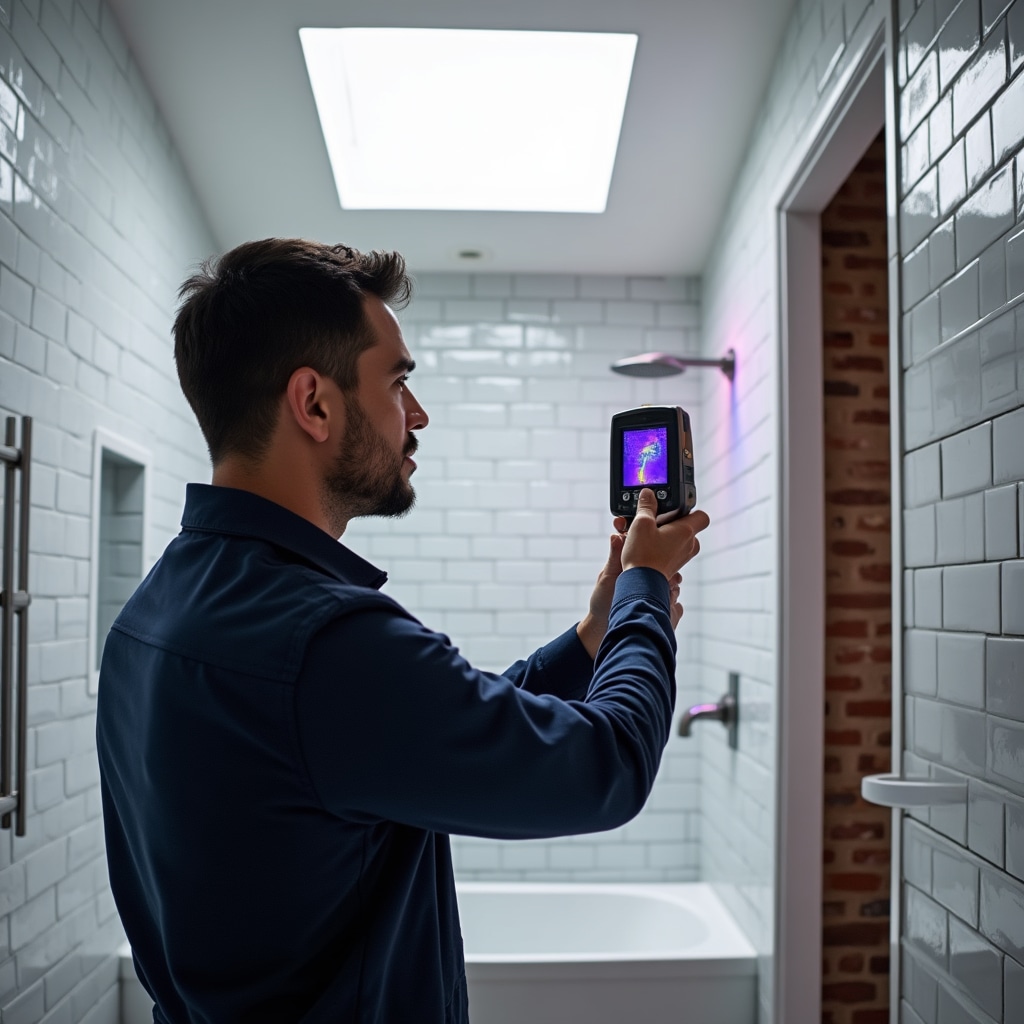
Traditional methods involve breaking walls at random until finding the leak. We use scientific detection equipment that shows exactly where water is escaping.
This diagnostic approach means we open the wall in one precise location, not five wrong ones. Less demolition, faster repair, lower cost.

A systematic approach that prioritizes diagnosis before demolition
We examine visible damage, review building plans, and interview residents about when symptoms first appeared. This establishes the investigation zone.
Thermal imaging cameras scan walls and ceilings to detect temperature anomalies. Water-saturated areas appear cooler due to evaporative cooling.
Sensitive listening equipment amplifies the sound of water escaping under pressure. We can hear a leak through 30cm of concrete when the system is pressurized.
We isolate sections of the plumbing system and monitor pressure loss. This confirms which pipe run contains the leak and rules out other possibilities.
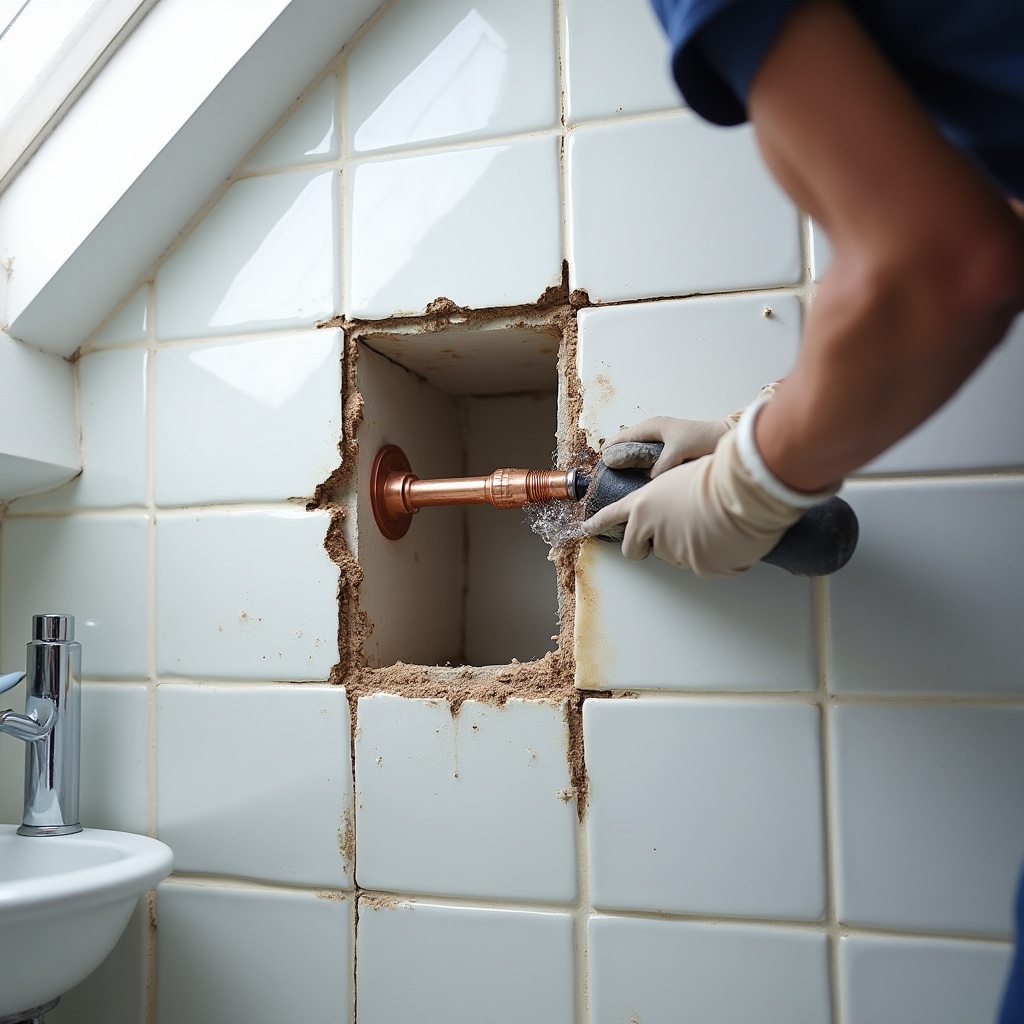
With the leak location confirmed, we make a surgical opening at the exact spot. Small access point, targeted repair, minimal restoration needed afterward.
We repair the defective joint or pipe section, then test the system again to verify the leak is completely resolved before closing the wall.
High-rise buildings have unique plumbing challenges that low-rise structures don't face. Vertical distance creates pressure differentials, thermal expansion stresses joints differently, and access becomes complicated.
We understand these dynamics and adjust our detection methods accordingly. A leak on the 12th floor might show symptoms on the 9th floor—we trace it back to the source.
Specialized leak detection and repair services throughout Chilean regions
La Serena, Coquimbo, Ovalle, and surrounding municipalities. Our primary service area with fastest response times.
Valparaíso, Viña del Mar, Quilpué, and coastal communities. Regular service schedule for this region.
Greater Santiago area including Las Condes, Providencia, Ñuñoa, and all central communes. High-rise building specialists.
We travel to other regions for complex cases requiring specialized detection equipment. Contact us to discuss your specific location.
Each situation requires different detection techniques and repair approaches
Cold and hot water pipes embedded in walls develop pinhole leaks or joint failures. Often discovered when water bill increases mysteriously or when staining appears months later on a wall surface.
Waterproofing membrane beneath tile develops cracks or the drain connection fails. Water seeps through to the floor structure below. Neighbor reports ceiling damage but the shower above looks fine.
Wax ring seal or flange connection fails, allowing small amounts of wastewater to escape with each flush. Accumulates in floor structure. Odor and staining appear gradually over months.
Vertical downpipes become blocked by debris. During heavy rain, pressure builds and forces water out through joints. Damage appears several floors below the actual blockage location.
Waste drain connections deteriorate or were improperly installed initially. Small amounts of water escape with each use. Accumulates in wall cavity or under floor until saturation causes visible damage.
Sometimes moisture damage is from condensation on cold pipes, not an actual leak. Our diagnostic process distinguishes between these—important because the repair approach is completely different.
The traditional approach to hidden leaks involves breaking walls progressively until finding the problem. This creates extensive damage requiring major restoration work afterward.
Our diagnostic-first method locates the leak precisely before any demolition begins. We then make the smallest opening necessary to access and repair the defect.
The detection equipment investment pays for itself in reduced demolition and restoration work. You save money, and your home experiences less disruption.