Maintenance Plans for High-Rise Buildings

Regular inspection and monitoring programs designed to detect potential plumbing issues before they become expensive emergencies. Preventive maintenance costs less than reactive repairs.

Why Preventive Maintenance Matters

Understanding the value of regular plumbing system inspection

Early Detection

Many plumbing failures develop gradually over months. A joint begins seeping slowly, corrosion weakens a pipe section, a seal deteriorates. Regular inspections catch these issues while they're still minor and inexpensive to repair.

Trend Analysis

Repeated inspections over time reveal patterns. Water pressure fluctuations, temperature variations, moisture level changes—these trends help predict where problems will emerge before they actually fail.

Documentation

Regular inspection reports create a maintenance history for your building. This documentation proves valuable for insurance purposes, property transactions, and regulatory compliance requirements.

Available Maintenance Plans

Choose the inspection frequency that matches your building's needs

Annual Inspection

Basic preventive monitoring

  • One comprehensive inspection per year
  • Thermal imaging scan of common areas
  • Visual inspection of accessible plumbing
  • Pressure testing of main supply lines
  • Written report with findings and recommendations
  • Priority scheduling for emergency calls
Request Information

Quarterly Inspection

Maximum preventive coverage

  • Four comprehensive inspections per year
  • Complete thermal and acoustic scanning
  • Pressure testing with historical trend analysis
  • Moisture mapping of all critical areas
  • Comprehensive reports with recommendations
  • Priority emergency response within 2 hours
  • Annual consultation on system upgrades
  • Maintenance planning assistance
Request Information

What Each Inspection Includes

Detailed explanation of our preventive inspection process

Inspector conducting thermal imaging scan of building plumbing system during preventive maintenance inspection

Thermal Imaging Survey

We scan all accessible wall and ceiling surfaces in common areas and, with permission, in individual units. The thermal camera reveals temperature anomalies that indicate moisture accumulation or active leaks.

This non-invasive inspection method detects problems without opening walls. Temperature differences as small as 0.1°C become visible, allowing us to identify issues in their earliest stages.

  • Complete scan of bathrooms and kitchens in common areas
  • Vertical chase inspection where plumbing runs between floors
  • Ceiling inspection in lower units beneath bathrooms above
  • External wall scanning where supply lines enter building
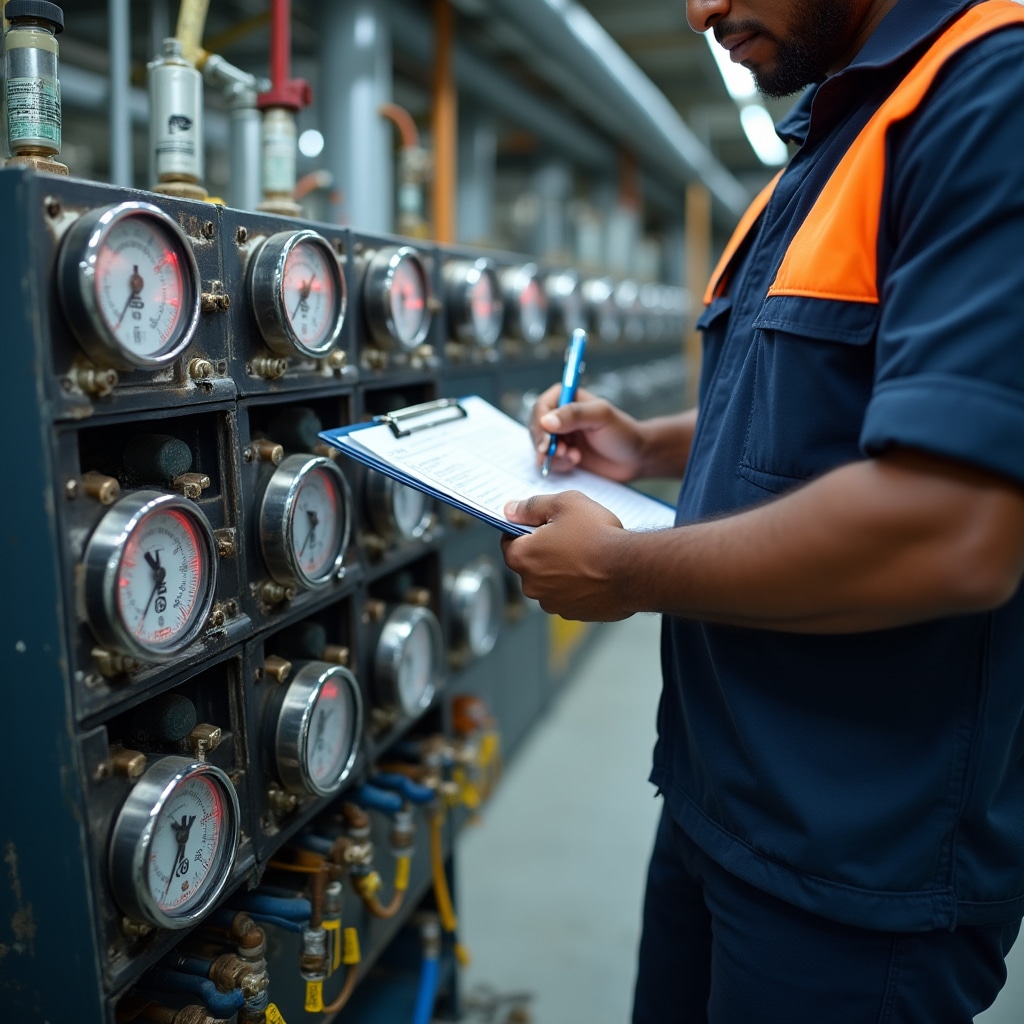
Professional pressure testing equipment connected to building plumbing system with digital gauges displaying readings

System Pressure Testing

We isolate sections of the plumbing system and monitor pressure over time. A properly sealed system maintains constant pressure. Pressure drop indicates water escaping somewhere in that section.

By testing the same sections during each inspection, we can compare results over time. Gradually increasing pressure loss suggests a developing problem that hasn't yet caused visible damage.

  • Main supply line testing at building entry point
  • Floor-by-floor section testing where valve access permits
  • Hot and cold water system testing separately
  • Trend comparison with previous inspection results
Inspection Report Components

What you receive after each preventive inspection

Thermal Images

Color-coded thermal photographs showing temperature distribution across scanned surfaces. Anomalies are highlighted and annotated with location descriptions and temperature differential measurements.

Pressure Test Results

Detailed pressure readings for each tested section, including hold time, initial pressure, final pressure, and calculated loss rate. Historical comparison charts show trends over multiple inspections.

Findings Summary

Written description of all observations, concerns, and recommendations. Items are prioritized by urgency—immediate attention required, monitor closely, or routine maintenance suggested.

Location Documentation

Annotated building plans showing exactly where each concern was identified. This documentation helps maintenance teams locate issues quickly if follow-up work becomes necessary.

Action Plan

Recommended next steps for each identified issue. Some items may require immediate repair, others benefit from continued monitoring, and some suggest preventive upgrades to avoid future problems.

Next Inspection Date

Suggested timing for the next inspection based on findings. Buildings with developing concerns may benefit from accelerated inspection frequency until issues are resolved.

Buildings That Benefit Most

Which properties gain the greatest value from preventive maintenance programs

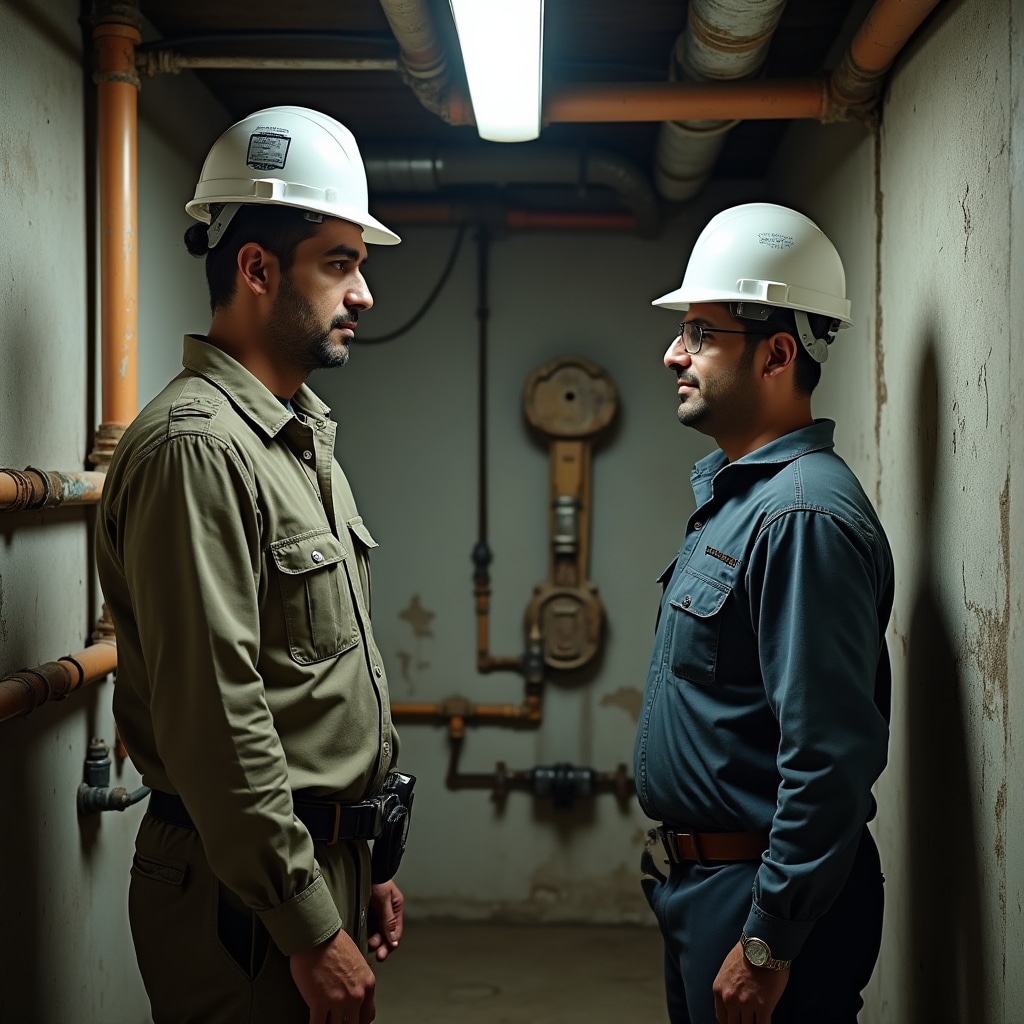
Maintenance inspection being conducted in older high-rise building with aging plumbing infrastructure

Older Buildings

Structures built more than 20 years ago have plumbing systems approaching or exceeding their design life. Pipes corrode, seals deteriorate, and joints weaken with age.

Regular inspection of older buildings catches problems before they escalate. A small leak detected early costs far less to repair than water damage discovered after months of hidden seepage.

  • Buildings constructed before 2000 with original plumbing
  • Properties with history of plumbing issues or repairs
  • Structures with galvanized steel or copper piping showing age
  • Buildings where previous leak damage has occurred
Preventive maintenance inspection in luxury high-rise building with premium finishes and fixtures

Premium Properties

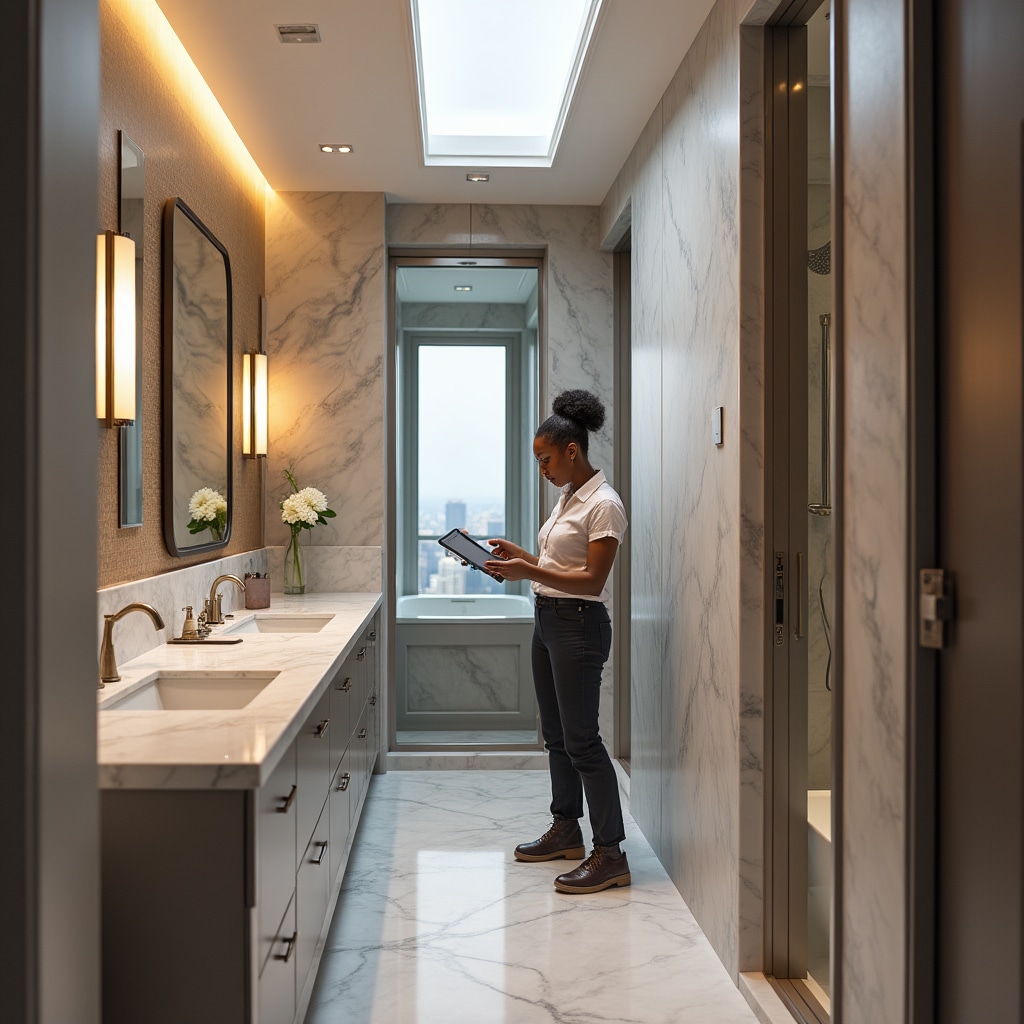
High-end buildings with expensive finishes and fixtures have more to lose from water damage. Marble bathrooms, hardwood floors, and custom millwork suffer disproportionate damage from leaks.

The cost of preventive inspection is minimal compared to restoration costs after water damage in luxury units. Regular monitoring protects property value and resident satisfaction.

  • Buildings with premium interior finishes and materials
  • Properties where unit values exceed market average
  • Structures with reputation for quality and maintenance
  • Buildings where resident expectations are high

Preventive vs. Reactive Costs

Understanding the economic value of early detection

Repair Cost Difference

A small leak detected during routine inspection might require replacing one pipe joint—a few hours of work. The same leak discovered months later after causing structural damage requires extensive demolition, structural repair, and complete bathroom restoration.

Property Value Protection

Buildings with documented maintenance programs and clean inspection histories command higher values. Prospective buyers and their inspectors appreciate evidence of proactive building management and system care.

Insurance Considerations

Some insurance providers offer premium reductions for buildings with documented preventive maintenance programs. Regular inspection reports demonstrate responsible property management and may support claims if damage does occur.